
Words Can Be Hammers Too
We live inside language. The words we use, the words we hear, and the meanings we attach to them can either diminish us or give us somewhere to stand.
We use words so constantly that we barely notice them. We speak to family, colleagues, strangers, and friends; we send messages, draft emails, read articles, and listen to conversations. Words are our primary means of connecting with one another, yet we often treat them as if they were mere containers for information. They are, however, much more powerful than that. A misunderstood word can damage a relationship, while deliberately chosen words can manipulate, frighten, or control us. Recognising that power is where this story begins.
We live smack in the middle of communal life, which means none of us gets to opt out of the responsible use of language. Politicians use it to persuade us, marketers use it to sell to us, and people with less honourable intentions can use it to get us to do things we might otherwise question. Another way words shape us is that we absorb and interpret them, and we allow them to become part of the story we tell ourselves about who we are. Before we can decide on the responsibility for our words, we need to consider what happens between someone speaking and us hearing.
I become aware of this because I am hard of hearing. When I am with family or friends, or somewhere familiar, hearing can seem remarkably easy. My brain fills in the gaps because it knows the territory. What I think I have heard audibly is what I have inferred from context. Take me somewhere unfamiliar, however, and things change quickly. Speaking with a mechanic, for example, I may hear the words but struggle to understand what they say. This distinction between hearing and understanding matters.
It matters because we do something similar even when our hearing is perfect. We don't simply hear words; we interpret them through everything we already know, believe, and fear. Someone says something ambiguous and our minds fill in the missing pieces. We may then react not to what the person said, but to what we decided they meant. Listening, therefore, is more than allowing sound to reach our ears. It requires us to pause long enough to discover whether we have understood the person before we respond to them.
That pause can be difficult, especially if we are already bruised or overwhelmed. Someone makes a comment, we take it personally, and before we have examined either the words or our interpretation, we are preparing our defence. The words may have been the hammer, but our interpretation can sometimes become the hand that keeps swinging it. This doesn't mean that words cannot hurt us. Of course they can.
Cruelty dressed up as humour is still cruelty, manipulation remains manipulation, and deliberately demeaning someone does real damage. Nor does it mean that we should become so "emotionally immune" that nothing anyone says matters. Rather, there is a useful distinction between the words someone else chooses and what we choose to do with those words once they have reached us. That distinction gives us back a small but important piece of agency.
Who Controls You?
What is within our control, or what isn't? Other people's opinions, attitudes, feelings, and words are not under our control. However, our judgments, interpretations, actions, and reactions are. We cannot stop someone misunderstanding us, criticising us or disliking us, but we have some say in whether their opinion becomes the measure of our worth. Once we recognise that, we can begin to loosen the grip other people's words have on us.
We often believe that we must correct every wrong perception of us. Someone misunderstands us and we immediately want to explain, defend, and set the record straight. Sometimes that is necessary, but often it isn't. Reputation lives in other people's minds, whereas character is something we cultivate ourselves. Confusing the two can leave us spending enormous amounts of energy trying to manage something we can never actually control.
Of course, we must not only carefully think about the words we allow others to speak into our lives. We need to also listen to the words coming from our own mouths. How often do we begin with "This is probably a dumb question", or "I might be wrong, but..."? We apologise for not being an expert, we minimise what we know, or end a reasonable explanation with, "Does that make sense?" as though we have already decided that what we said didn’t? The language we use can gradually teach us to take up less space, which brings us to the words we use when nobody else is listening.
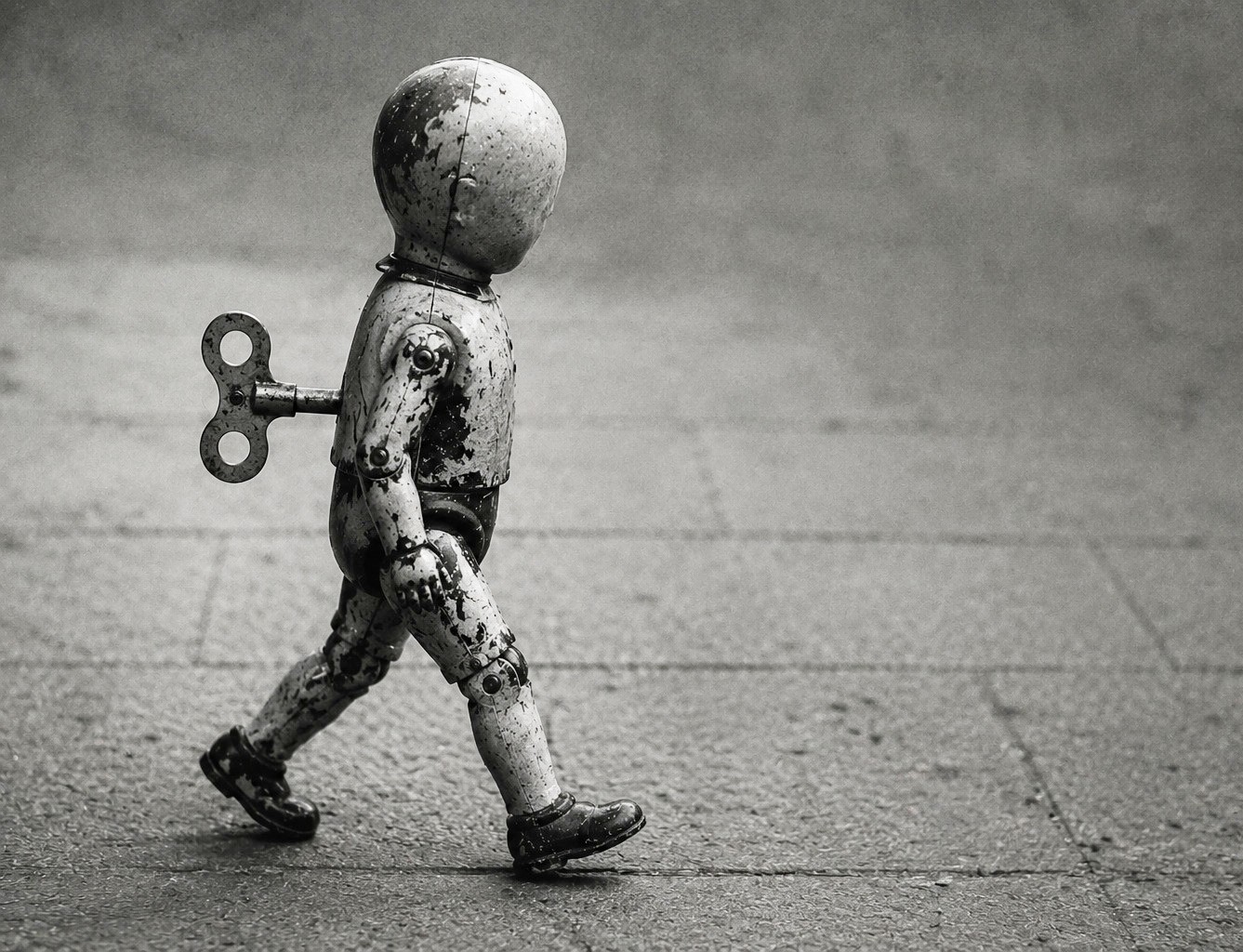
Our internal conversations are words too, even when they never leave our heads. We can tell ourselves that we're incompetent, that our question is stupid, that someone else's opinion proves something about us, or that we should keep quiet because we might be wrong. Sometimes that voice isn't telling us the truth at all; it is fear and insecurity winding us up like a mechanical walking doll, pointing us in whatever direction promises to relieve the immediate discomfort. Being aware of that voice doesn't silence it, but it does give us the opportunity to question where it is taking us.
Silence
And sometimes the words we most need to find are the ones we are afraid to say aloud. People remain silent for many reasons. They may fear being wrong, being judged, being unpopular or simply being the person who makes an uncomfortable situation more uncomfortable. At the office, someone working closely on a problem may have insights that nobody else possesses yet they remain silent because they assume someone more senior must know better. Silence can look harmless, but it isn't always neutral.
We see the same thing when people witness something damaging and wait for somebody else to intervene. They want to fit in. They assume that if it were serious, someone else would do something. They don't want to become involved. Whatever the reason, when enough people stand silently watching, harmful behaviour can acquire a weird kind of permission. The opposite can happen too: when one person finally speaks, another may discover the courage to speak as well. Silence can be contagious, but so can courage.
Speaking up doesn't mean speaking loudly, aggressively or with absolute certainty. It can mean asking a question. It can mean saying, "I'm not sure that I agree." It can mean pointing out something that doesn't seem right or offering an observation that others may have missed. You don't have to be the most senior person in the room to have something worth saying, and you don't have to be certain that you are right before contributing what you know. Being willing to be wrong is not the opposite of having a voice; it is part of having one.
Responsibility
Which brings me back to where I started. The responsibility for our words. We have a responsibility to think before we speak and to consider what our words might do to the person receiving them. We also have a responsibility to listen before responding, because unless we understand the other person's meaning, we are responding to our own interpretation rather than theirs. And we have an equal responsibility not to hand over our emotional centre every time somebody says something we dislike.
None of this is easy, particularly when life is already pounding away at us. We are all sometimes the person who speaks carelessly, the person who misunderstands, the person who reacts too quickly, the person who stays silent when we should speak, or the person who makes ourselves smaller before anyone else has had the chance to do it. The point isn't to become perfect communicators. It is to become a little more conscious of the extraordinary power we have placed in something as ordinary as words.
Words can be hammers. They can hit hard, and sometimes they are deliberately swung at us. But words can also allow us to make sense of what is happening, challenge what is wrong, ask for help, offer courage, or remind ourselves that another person's opinion is not the ultimate authority on who we are. We cannot control all the words that come at us, but we can become – unlike wound-up mechanical walking-dolls – more thoughtful about the words we absorb, the meanings we give them, the words we send back into the world, and the words we use inside our own heads.
That is the place to stand when everything else feels unstable. Not on some promise that life will stop hitting us, but on the knowledge that even when the hammers are falling, we still have some choice about the words with which we meet them.
Read more: The Present as Hammer - Life as a Workshop and A Basket of Fruit in a World Full of Hammers - On losing yourself — and finding out you were there all along.